
november 2025


Integrated Solutions
5 Steps for Law Enforcement: Prepare for Hurricane Season with New Technology
Public safety professionals can prepare for hurricane season and protect their communities.
By Ben Jones, Contributing Writer
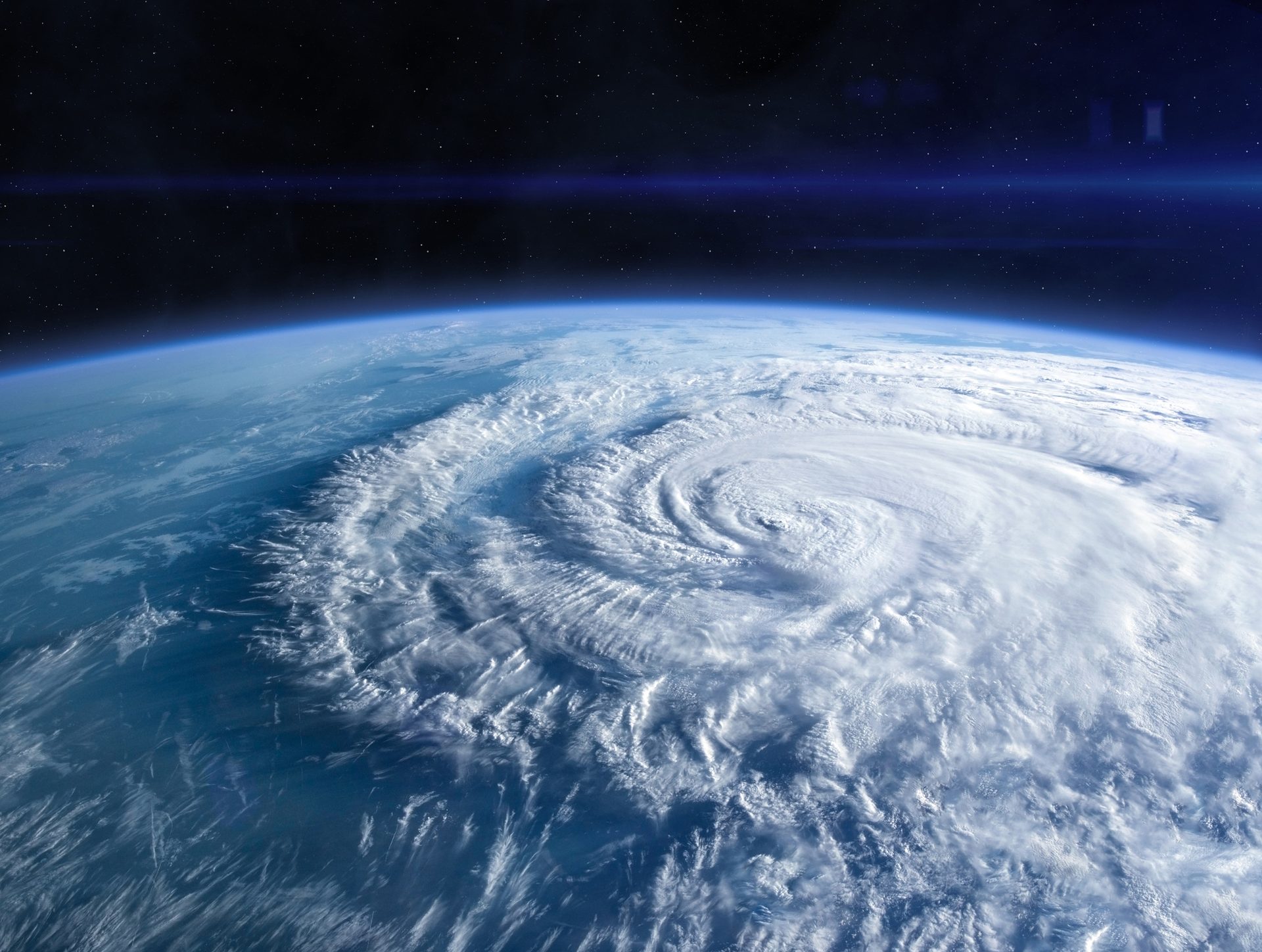
buradaki / iStock / Getty Images Plus via Getty Images
As hurricane season intensifies, law enforcement agencies must proactively prepare for the disruptions natural disasters inevitably cause. Effective planning with innovative new technology that is available today, ensures readiness tomorrow.
Here are five essential steps every department should take for hurricane preparedness.
1. Audit and Upgrade Your Communication and Safety Technology
Start with a thorough review of your current communication and safety systems. Identify and address vulnerabilities, especially in outdated, on-premise technologies that lack redundancy or proper maintenance. Modern, cloud-connected tools, such as cloud security cameras, are designed to function independently, even when local infrastructure fails, ensuring uninterrupted situational awareness during crises.
For example, in Beaufort, South Carolina, cloud-hosted traffic cameras help the sheriff’s office review and modify evacuation routes during a crisis in real time. They also allow for monitoring to prevent criminal activity in the area while the majority of residents have evacuated.
2. Develop Multiple Communication Systems
Reliable communication is critical during a disaster. Because traditional forms of communication and on-premises systems are highly vulnerable to outages during these events, it is essential to develop a back-up plan in advance. This should include an investment in resilient technologies such as cloud access, satellite communication, and mobile communication trailers.
Cloud-based solutions offer more consistent reliability that can be accessed through alternative means such as satellite links, mobile trailers equipped with networking capabilities, backup generators, or solar power.
3. Gather Essential Mobile Equipment
In emergencies, mobility is key. Ensure rapid response capabilities by gathering mobile surveillance trailers and portable command centers ready for quick deployment.
In Asheville, North Carolina, following Hurricane Helene in 2024, such trailers rapidly restored visibility and enabled effective disaster response when fixed infrastructure went down.
4. Predefine Critical Observation Points
Identify locations that demand continuous monitoring during disasters, including hospitals, shelters, critical infrastructure, and supply distribution hubs. By proactively mapping and planning for these points, agencies can swiftly deploy resources to maintain security and manage emergency response efficiently.
5. Establish Clear Coordination Protocols
Coordination is key. Working with state, local, and federal partners before a disaster occurs helps establish clear roles and set priorities. Conducting real-world drills is essential to identifying vulnerabilities and gaps in preparedness.
Agencies should also establish where emergency equipment is stored and ensure that alternate systems, such as mobile communication trailers with cloud-based platforms are incorporated into training. Using these systems during exercises ensures that personnel are familiar with the equipment and understand the best methods for deploying it effectively during an actual event.
A Call to Action
Effective disaster preparedness requires deliberate planning and investment. By implementing these five steps, law enforcement agencies can significantly improve their ability to maintain public safety, protect communities, and quickly restore order when hurricanes strike. Now is the time to act — before disaster strikes again.